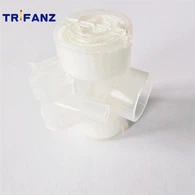


CPAP Nose And Mouth Mask, also known as Continuous Positive Airway Pressure Mask, is designed for a range of applications including CPAP therapy for sustained positive pressure oxygen inhalation, ventilator-assisted breathing, nebulizer therapy, high-flow respiratory humidification treatment, and sleep apnea therapy. It is compatible with various medical devices such as non-invasive medical ventilators, invasive medical ventilators, home ventilators, transport ventilators, respiratory humidification therapy devices, and respiratory sleep therapy devices.
|
This mask is designed for use with CPAP or Bi-level systems recommended by your health are professional or respiratory therapist. |
|
|
M & L |
|
|
1Piece mask , Belt and Use instruction /PE Bag |
|
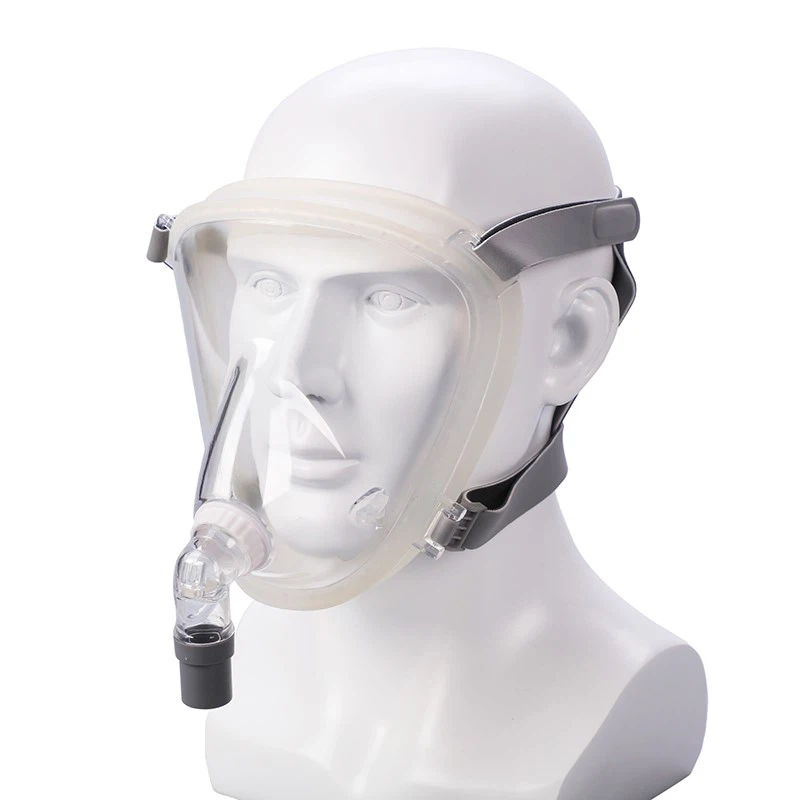
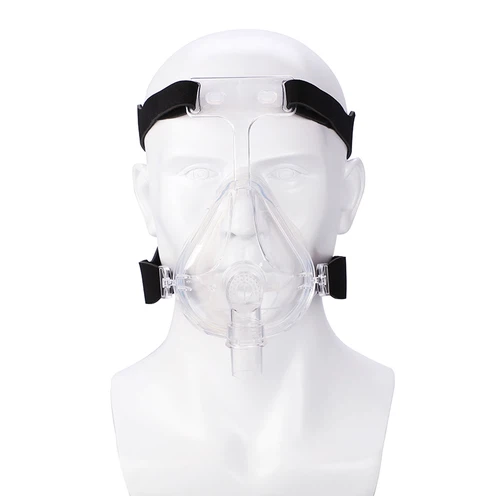
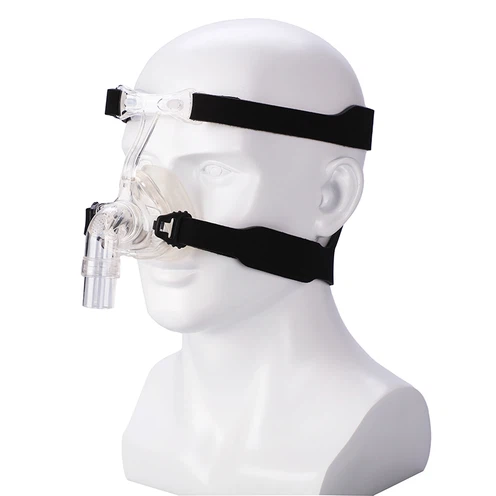
1.This mask is not suitable for providing life support ventilation.
2.This mask is designed for use with CPAP or Bi-level systems recommended by your health are professional or respiratory therapist.
3. Do not wear this mask unless the CPAP or Bi-level system is turned on and operating properly.
4. Do not block or try to seal the exhalation port.
5.If oxygen is used with the device, the oxygen flow must be turned off when the device is not operating.
6. At a fixed flow rate of supplemental oxygen flow, the inhaled oxygen concentration will vary, depending on the pressure, settings, patient breathing pattern, mask selection, and the leak rate. This warning applies to most types of CPAP and Bi-level machines.
7. At low CPAP or BPAP pressures, the flow through the exhalation port may be inadequate to clear all exhaled gas from the tubing. Some re-breathing may occur.
8. The patient's physician should be contacted if the patient experiences the following symptoms while using the mask or after removing it : Unusual chest discomfort, shortness of breath, stomach distension, belching, or severe headache drying of the eyes, eye pain, or eye infections blurred vision. (Consult a doctor if symptoms persist.)
1. Excessive gastroesophageal reflux
2. Impaired cough reflex
3. Hiatal hernia
4. Impaired cardiac sphincter
1. Remove plastic packaging from sleep apnea mask.
2. Attach the upper strap to the ring hook of the mask.
3. Hold the mask base in one hand, expand the Headgear with your free hand just enough to fit comfortably over your head
4. Lightly hold the mask against your face and spread the Headgear over your head.
5. Gently adjust the top horizontal straps to ensure the mask sits comfortably and securely on the face.
6. Gently adjust the top crown straps as needed.
7. Connect the CPAP machine hose running at prescribed pressure to the mask.
8. If necessary, attach the oxygen supply or pressure sensing device to the side port on the elbow connector of the mask.
1.Inspect the mask for deterioration. Do not use if appears aged or damaged.
1. Disassemble the mask and Headgear.
2. Wash the mask and Headgear in warm soapy water then rinse them in fresh water.
3. Keep it dry and away from direct sun light.
1. Material: PC for hard plastic components, Silicone for cushion and valve.
2. Dimension: 22mmOD, according to IS0 5356-1.
3. Operation Temperature: -18ºC~ 40ºC.
4. Storage Relative Humidity: <95%
5. Storage Temperature: -20ºC~ 60ºC
6. Validity: 2 years
Clibeanna Te: